US Peace Initiatives for Ukraine by January: Europe's Stance and the Outcome of the China Summit
The Donald Trump administration aims to achieve a peace deal between Ukraine and Russia by January 2027, but European leaders reject scenarios of a new division of spheres of influence.
 🇺🇦Ukraine
Photo: TSN
Key points
- US administration aims for a peace deal by January 2027
- Ukraine demands clear and long-term security guarantees
- Europe opposed a new division of spheres of influence
- The summit in China failed to yield expected results for Russia
Washington's Diplomatic Hurry and Security Dilemmas
The administration of US President Donald Trump is determined to broker a peace settlement between Ukraine and the Russian Federation by early January 2027. Experts attribute this rush to the American leader's desire to secure an agreement before the turnover in the US Congress. A key element of the potential deal is considered to be security guarantees for the Ukrainian state modeled after NATO's Article 5, though the specific implementation mechanisms remain vague.
Ukrainian President Volodymyr Zelenskyy expressed caution regarding these proposals, emphasizing the need for long-term and robust guarantees, including a clear position on the presence of allied troops. Meanwhile, Washington assures that it does not intend to impose unilateral decisions, stressing the importance of coordinating actions alongside European partners and Kyiv.
The China Summit and Europe's Firm Position
Discussions surrounding the peace plan intensified following the APEC summit in Shenzhen, China, which featured a meeting between Donald Trump, Xi Jinping, and Vladimir Putin. Despite Russian propaganda expectations regarding a 'Yalta-2' concept, the final declaration contained no agreements on carving out spheres of influence, focusing instead on global security and non-nuclear deterrence. Protocol details from the summit also highlighted the sidelining of the Russian side amidst Chinese leadership.
In response to these diplomatic maneuvers, German Chancellor Friedrich Merz convened an emergency meeting in Berlin involving leaders from thirty European nations. The European Union strongly opposed any backroom deals made by major powers at the expense of other countries. Against this backdrop, Western partners continue to bolster Ukraine's defense capabilities, confirming new packages of military and financial assistance during the latest Ramstein-format meeting.
Source TSN — tsn.ua/exclusive/tramp-khoche-zavershyty-viynu-do-sichnia-ale-yevropa-v… ↗
Read next
 💼Economy
Ukrainian agricultural sector faces bankruptcy risks amid logistics crisis and infrastructure strikes
Ukraine's agricultural sector is facing depleted financial reserves and a growing risk of bankruptcies by next summer due to export hurdles and rising costs.
 🎓Education
Danish Government Initiates Nationwide School Smartphone Ban Following Poor PISA Results
The Danish government is preparing legislative changes to completely ban internet-connected gadgets in schools up to the 10th grade amid falling student performance.
 💡Tech
Cybercriminals exploit GTA 6 anticipation to steal user data
Attackers are spreading malware disguised as a PC version of GTA 6, which has not yet been officially announced for computers.
 🚨Events
Drug Trafficking Ring Busted in Dnipropetrovsk Region Correctional Facility
Two inmates face charges for organizing a methadone supply chain within a prison, using mail services and bank transfers.
 🧠AI Analysis
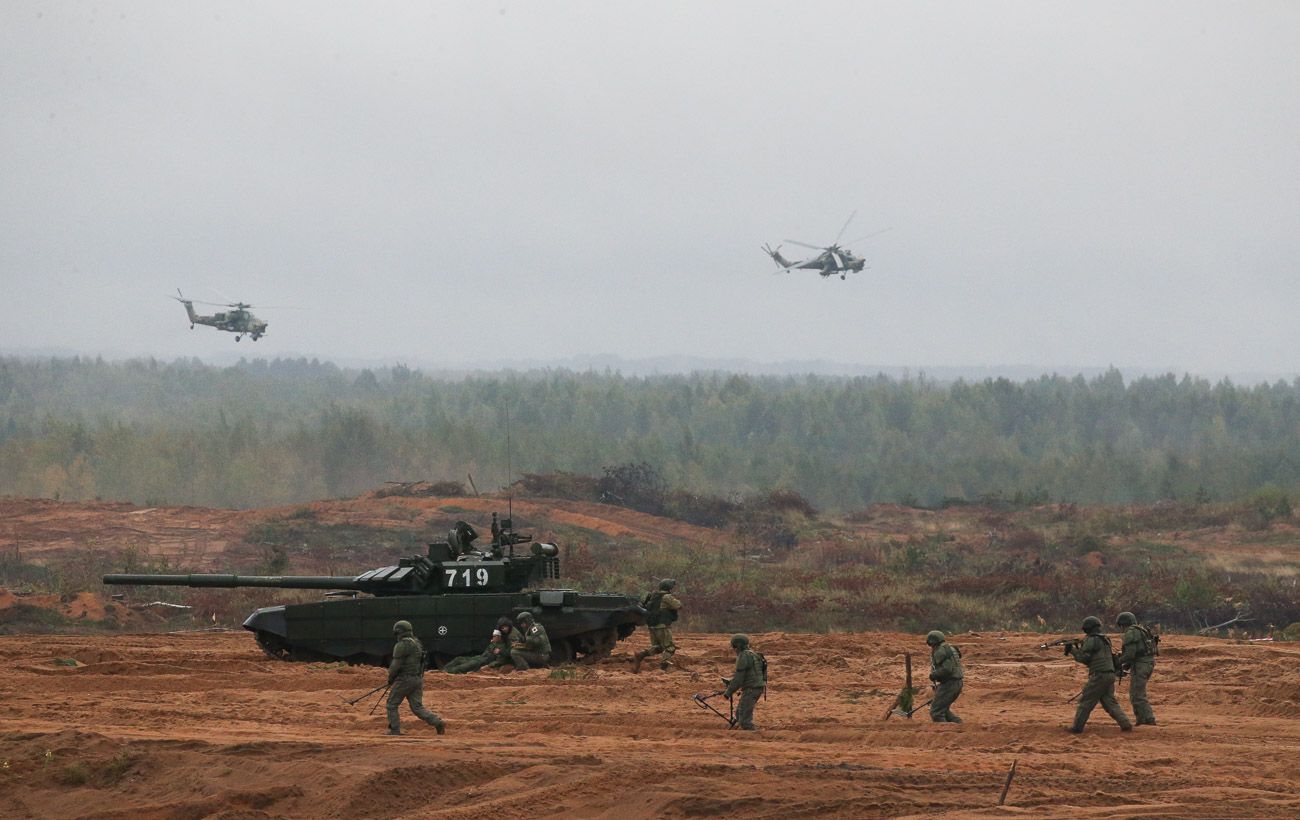
Russia Expands Military Infrastructure 60km from Finnish Border: Satellite Imagery Reveals New Training Hub
Satellite images show a massive reconstruction of the Kamenka garrison near Finland, where Russia trains troops currently deployed in the war against Ukraine.
 🛡️Security
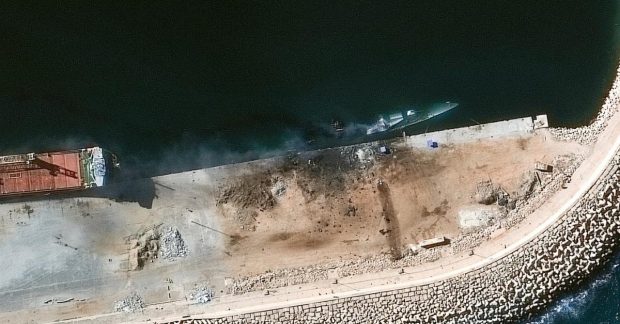
Russian Corvette 'Mercury' Destroyed in Libya: Operation Details
Ukrainian drones successfully attacked one of Russia's newest warships in the port of Benghazi.