Bioenergy of the future: scientists learn to harvest electricity from cacti
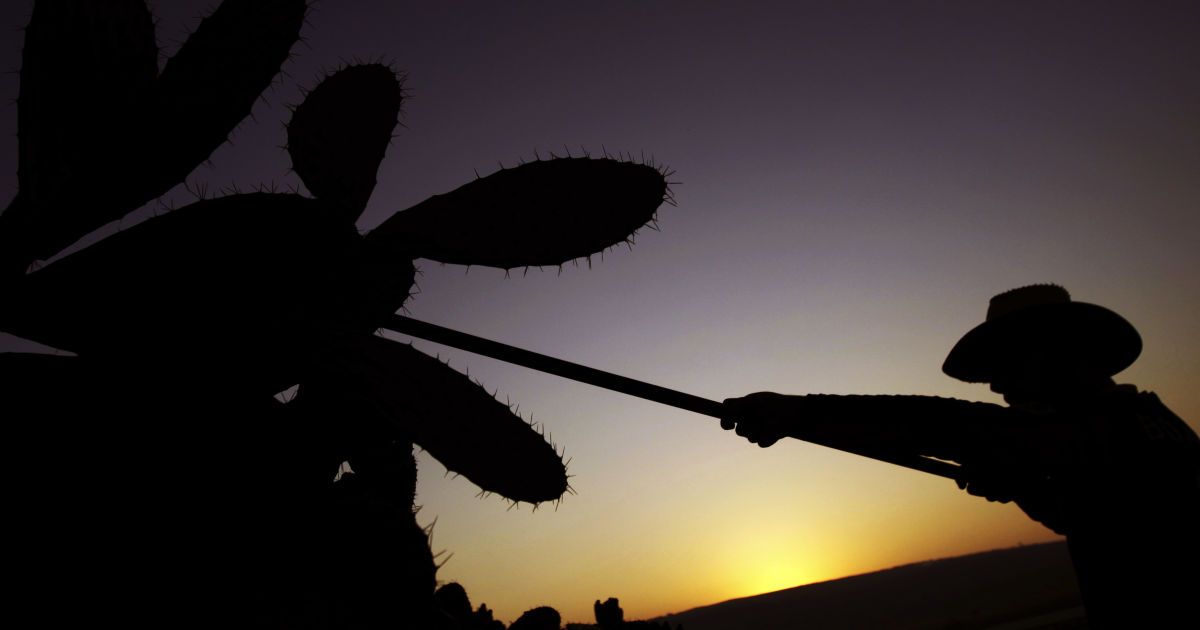
Researchers from the University of California have discovered a way to generate electricity using the photosynthesis mechanism of the prickly pear cactus.
 💡Tech
Photo: TSN
Key points
- Using CAM photosynthesis for energy generation
- Generating 4.5 volts from eight cactus stems
- Potential applications in agricultural monitoring
Scientists at the University of California, Santa Cruz, have introduced an innovative technology that turns plants into power sources. The development is based on a unique photosynthesis mechanism known as Crassulacean Acid Metabolism (CAM), found in plants such as the prickly pear, aloe, and pineapple.
How the 'green' batteries work
The research team, led by Professor Michael Loik and graduate Charlie Chesney, found that the difference in acidity between the illuminated and shaded sides of a cactus stem creates a pH gradient. This physical-chemical process generates electrical voltage that can be harvested using integrated electrodes.
Experiments demonstrated that a single prickly pear stem can produce up to 0.5 volts. By connecting eight stems, the researchers generated 4.5 volts, equivalent to the power of three standard AA batteries. Scientists believe this technology holds significant potential for the agricultural sector.
Source TSN — tsn.ua/nauka_it/roslyna-iaka-vyrobliaye-elektryku-vcheni-zrobyly-nespod… ↗
Read next
 ⚽Sport
Carlos Alcaraz wins his first ATP Finals title
Spanish tennis player Carlos Alcaraz triumphed at the 2026 ATP Finals in Turin, defeating world number one Alexander Zverev in the final.
 🛡️Security
General Staff: Tense situation on the front, highest enemy activity in Pokrovsk and Kostiantynivka directions
143 combat engagements have been recorded on the front over the past day. The most intense enemy assaults are concentrated in the east of Ukraine.
 🛡️Security
Trapped for 14 hours: 7-year-old boy rescued from rubble in Kyiv region
In Dymar, Kyiv region, rescue workers pulled a 7-year-old boy from under the rubble after a hostile drone strike. The child spent nearly 14 hours trapped beneath building…
 🎭Culture & Sport
Granddaughter of Oleksiy Danilov joins 'The Voice of Ukraine'
19-year-old Maria Danilova became a contestant on the 14th season of the vocal show, opening up about the pressure caused by her famous surname.
 👥Society
How to Protect Your Home in Kryvyi Rih from Rodents Before Winter Cold: Expert Advice
With the onset of cold weather, small rodents in Kryvyi Rih actively seek warmth and food in residential buildings and outbuildings. Experts recommend checking potential …
 🛡️Security
Changing tactics: Russia targets power grids in Dnipropetrovsk and Odesa regions
President Volodymyr Zelenskyy reported a shift in Russian strike tactics aimed at destroying transmission lines and power networks.