Dangerous superbug with high mortality is rapidly spreading across European hospitals
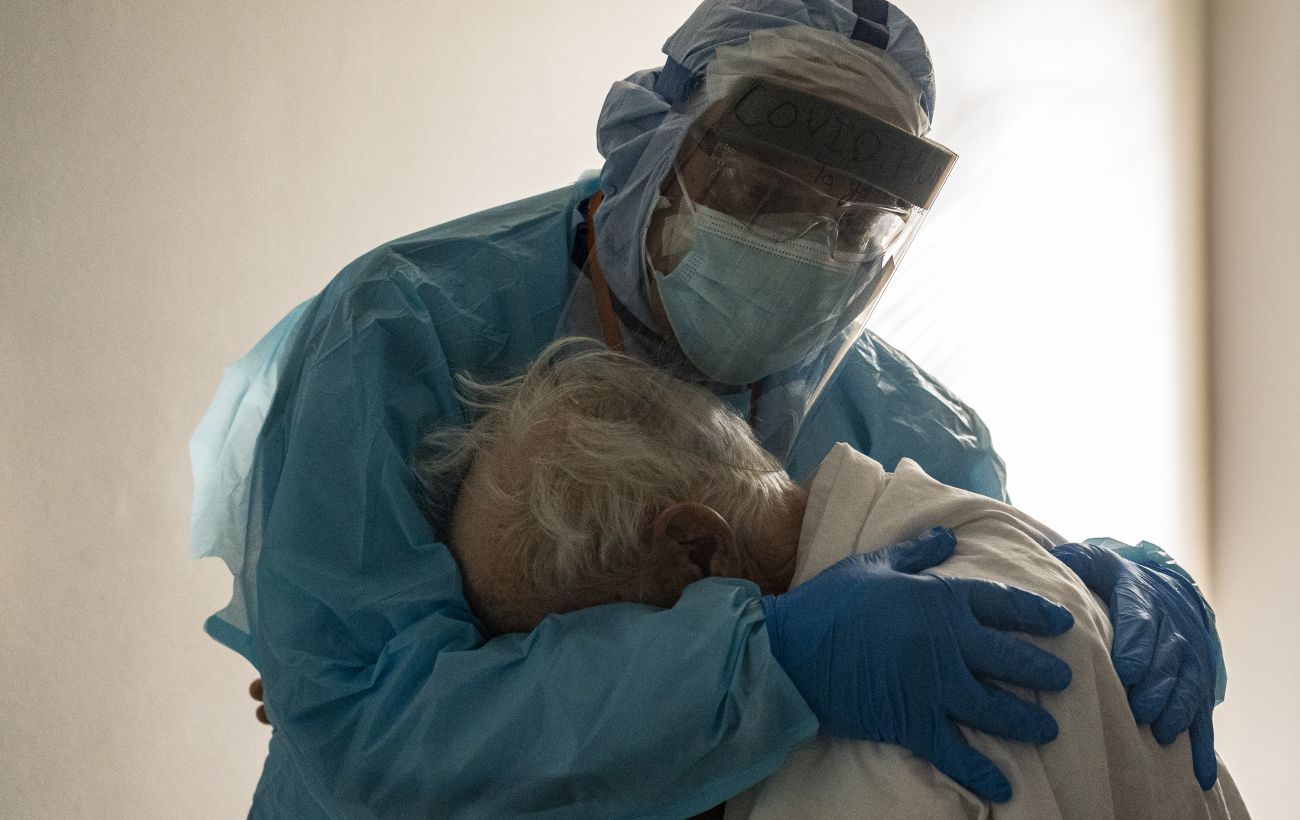
Medical facilities in Europe are reporting a significant rise in infections caused by Klebsiella pneumoniae, a bacterium increasingly resistant to antibiotics. Mortality rates from these complications can reach up to 70%.
 🩺Health
Photo: RBC-Ukraine
Key points
- 72% increase in Klebsiella pneumoniae infections
- Mortality rates from the superbug range between 40% and 70%
- Bacterium has developed resistance to newest antibiotics
- Need for stricter safety protocols in hospitals
European public health authorities have raised concerns over the spread of a dangerous microorganism, Klebsiella pneumoniae, which exhibits extreme resistance to modern antibiotics. According to data from relevant European agencies, the number of severe bloodstream infections caused by this superbug has surged by 72% over recent years. Experts note that certain strains of the microorganism are virtually unresponsive to treatment, even with the newest medical drugs.
Threat to Patients and Control Challenges
Infections caused by resistant Klebsiella pose a critical danger to hospital and inpatient facility patients. According to medical estimates, the mortality rate from such nosocomial infections typically ranges from 40 to 70 percent. Christian Giske, head of the relevant research area at ECDC, described the situation as the most alarming among all data on superbug spread collected in the region.
Unlike other hospital infections, such as MRSA where European countries have successfully reduced incidence rates through enhanced hygiene, combating Klebsiella is complicated by its biological traits. This bacterium can reside in the human gut for extended periods, forming significant reservoirs. Consequently, medical institutions are forced to implement even stricter protocols for safety, disinfection, and antibiotic stewardship.
Source RBC-Ukraine — rbc.ua/ukr/news/likarnyah-evropi-poshiryuetsya-nebezpechna-17949988… ↗
Read next
 🎭Culture & Sport
Europe to Ban Microplastics in Cosmetics
From 2027, the EU will ban the sale of cosmetics containing microplastics. This applies to shampoos, shower gels, and other products that are washed off with water.
 💼Economy
Poland Prepares for Possible Wave of Refugees from Ukraine
The Polish government has developed three scenarios for responding to a possible wave of refugees from Ukraine during the winter of 2026-2027. The possible influx of migr…
 💡Tech
Russian national arrested in the US for espionage against a tech company
Federal authorities in the US have charged a Russian citizen, Igor Dew, with stalking and spying on employees of a defense-related company for its support of Ukraine.
 🛡️Security
General Staff: Over 200 combat engagements reported at the front in one day
Throughout November 18, Russian forces carried out over 200 assaults and launched massive strikes on Ukrainian positions.
 🛡️Security
Frontline update: Over 200 combat engagements and enemy activity on the Pokrovsk axis
The General Staff of the Armed Forces of Ukraine reported high-intensity combat across the frontline, with 205 engagements recorded in a single day.
 🇺🇦Ukraine
US and Venezuela Agree to Strengthen Defense Cooperation
US Secretary of Defense Pete Hegseth announced a new defense partnership agreement with Venezuela aimed at bolstering military cooperation and border security.