Winter Energy Independence: Can Solar Panels Save Kryvyi Rih Residents During Blackouts?
An analysis of home solar power plant efficiency during winter: generation drops, required equipment, and real possibilities for autonomy.
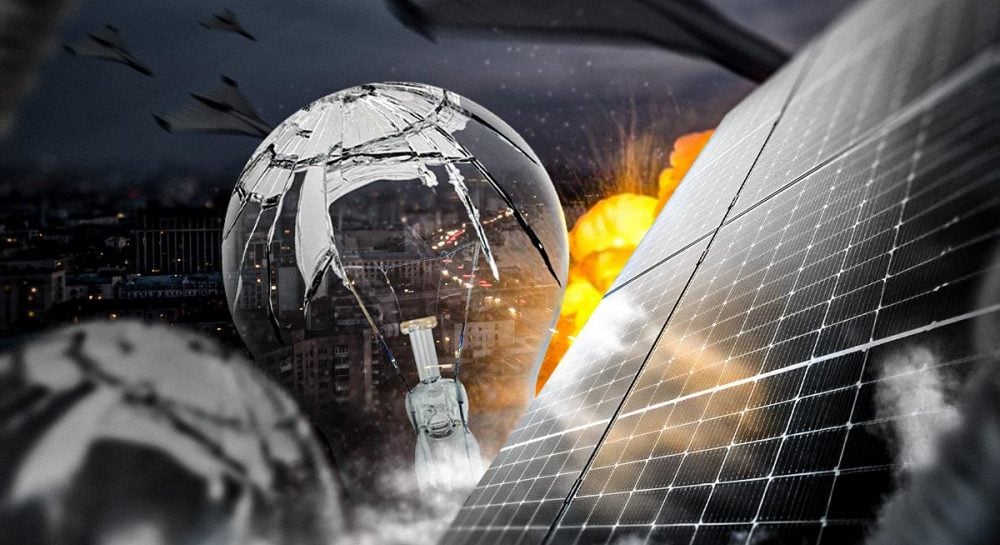 💼Economy
Photo: UNIAN
Key points
- Solar generation drops by 70-80% in winter due to weather conditions.
- Autonomy requires hybrid inverters and batteries, not just solar panels.
- A 10 kW winter SPP produces an average of 300-450 kWh per month.
Amid ongoing threats to the power grid, residents of Kryvyi Rih are increasingly considering solar panel installations to protect themselves from prolonged blackouts. However, experts warn that winter operation of such systems differs significantly from summer. The main challenge is a sharp decrease in insolation, which directly affects the volume of electricity generated.
Specifics of Winter Generation
According to industry experts, between November and January, the productivity of solar power plants (SPPs) drops by 70-80% compared to summer peaks. In some cases, output can decrease by 4-6 times. The primary factors are shorter daylight hours, cloud cover, and the sun's low position above the horizon. For example, a 10 kW station in central Ukraine can produce only about 300-450 kWh per month in winter, whereas in summer, this figure is several times higher.
Interestingly, low temperatures themselves do not harm the panels. On the contrary, under bright sun in freezing weather, photomodules operate even more efficiently due to better material conductivity. However, in the real conditions of a Ukrainian winter, overcast days negate this effect, making generation minimal.
Equipment for Autonomy
For solar energy to be useful during blackouts, panels alone are not enough. Experts emphasize the need for a hybrid system that includes:
- A hybrid inverter to manage energy flows;
- Storage batteries to accumulate charge;
- An additional power source (generator) for long periods without sun.
As Igor Lebedev, commercial director of the engineering company "Generatsiya," notes, winter solar energy is often insufficient to fully recharge batteries daily. Therefore, the system should be configured to charge from the grid when power is available. The main goal of such an investment is to cover the home's critical needs: lighting, refrigerator operation, communication systems, and heating pumps.
"It is worth remembering that in difficult winter months, the station still continues to generate electricity regardless of the overall power supply situation," emphasizes expert Dmytro Sakalyuk.
Source UNIAN — unian.ua/economics/energetics/sonyachni-paneli-proti-zimovih-blekau… ↗
Read next
 🎓Education
Danish Government Initiates Nationwide School Smartphone Ban Following Poor PISA Results
The Danish government is preparing legislative changes to completely ban internet-connected gadgets in schools up to the 10th grade amid falling student performance.
 💡Tech
Cybercriminals exploit GTA 6 anticipation to steal user data
Attackers are spreading malware disguised as a PC version of GTA 6, which has not yet been officially announced for computers.
 🇺🇦Ukraine
Kremlin's Nuclear Blackmail: Dmitry Medvedev Outlines Conditions for Preemptive Strike
Deputy Chairman of the Russian Security Council Dmitry Medvedev stated the possibility of a preemptive nuclear strike against Ukraine under specific scenarios.
 🚨Events
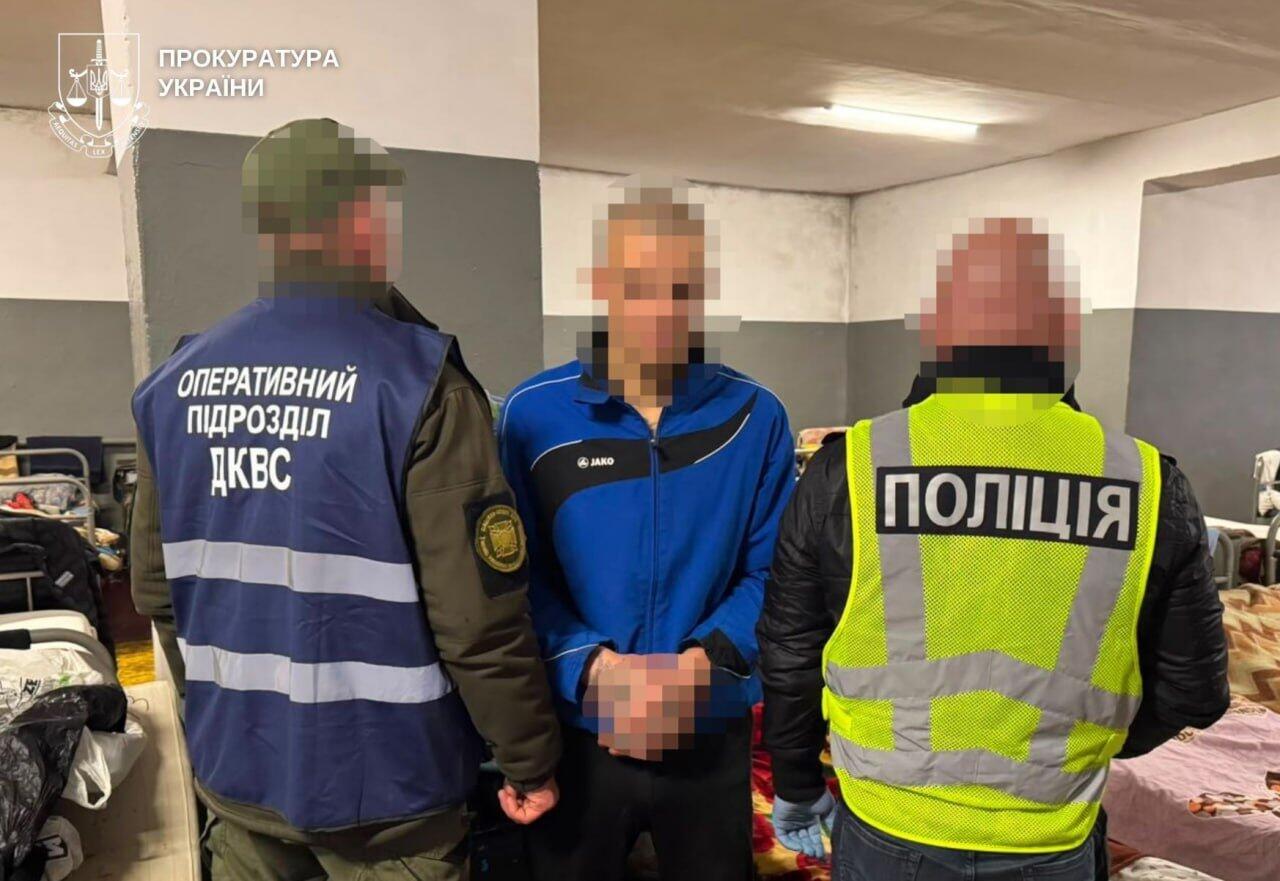
Drug Trafficking Ring Busted in Dnipropetrovsk Region Correctional Facility
Two inmates face charges for organizing a methadone supply chain within a prison, using mail services and bank transfers.
 🧠AI Analysis
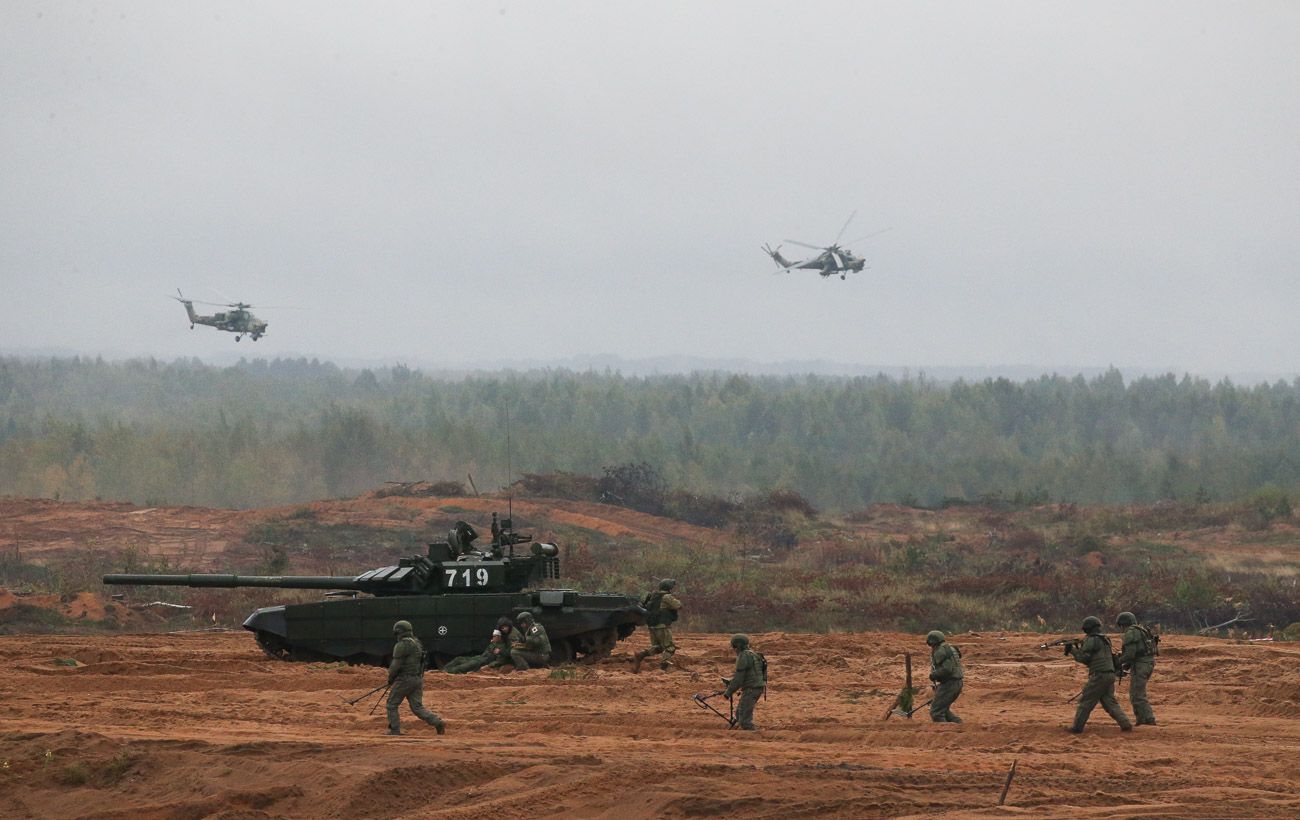
Russia Expands Military Infrastructure 60km from Finnish Border: Satellite Imagery Reveals New Training Hub
Satellite images show a massive reconstruction of the Kamenka garrison near Finland, where Russia trains troops currently deployed in the war against Ukraine.
 🇺🇦Ukraine
Munich converts former BMW offices to house Ukrainian refugees
Munich authorities are repurposing former BMW administrative buildings into housing for displaced persons to address the ongoing shortage of accommodation.