Artificial vs. Natural Forests: Lessons from China’s 'Great Green Wall' Program
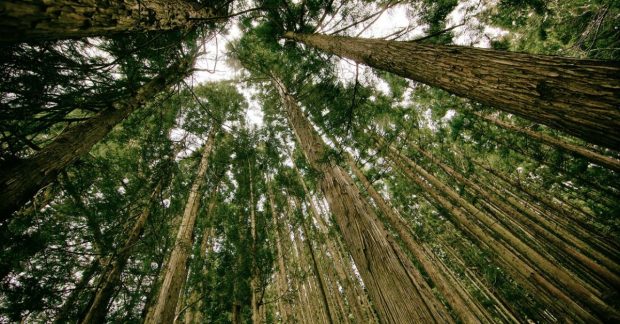
A large-scale study reveals that artificially planted trees grow 66% faster than natural ones but are less effective at long-term carbon sequestration.
 🏙️City
Photo: UNIAN
Key points
- Artificial trees grow 66% faster than natural ones.
- Plantations favor fast-growing species like eucalyptus and poplar.
- Natural forests are more reliable for long-term carbon storage.
- Mass planting requires proper care to ensure seedling survival.
The Dynamics of Artificial Reforestation
China continues its ambitious 'Great Green Wall' program, aimed at curbing desertification and improving environmental conditions. Since 1978, the country has planted 66 billion trees, with plans to add another 34 billion by 2050. However, a new study published in Geophysical Research Letters highlights significant differences between these plantations and natural forests.
According to the researchers, artificial forests show a 66% faster growth rate. This is achieved by selecting fast-growing species, such as poplars and eucalyptus, and providing intensive care, including regular fertilization and the removal of competing vegetation. Yuhan Luo of Peking University notes that artificial plantations are only effective as a short-term carbon sequestration tool.
Quality Over Quantity
Despite impressive growth rates, artificial forests lag behind natural ones in long-term carbon storage and ecosystem stability. The experience of other nations, such as Ethiopia, where seedling survival rates after mass planting campaigns proved low, confirms that planting trees alone does not guarantee success.
Experts emphasize that forest restoration strategies must focus not just on the number of saplings planted, but on careful species selection and long-term land management. This approach is essential for creating stable ecosystems capable of effectively mitigating climate change over several decades.
Source UNIAN — unian.ua/science/lisi-kitayu-chim-66-mlrd-visadzhenih-derev-vidrizn… ↗
Read next
 🛡️Security
Rosstat statistics: over 92% of Russian army losses are combat-related
An analysis of leaked Russian state statistics reveals a radical shift in mortality patterns among Russian military personnel since the start of the full-scale invasion.
 👥Society
Miraculous rescue: 7-year-old boy survives under rubble in Dymer after Russian attack
Following a Russian strike on an apartment building in Dymer, rescuers pulled out a child who spent over 13 hours trapped under concrete slabs.
 👥Society
War claims the life of a 26-year-old defender from the Dnipropetrovsk region
The Pidhorodne community announced the death of Anatoliy Ridkokasha, who sacrificed his life for Ukraine in the Donetsk region.
 🩺Health
President warns of new missile attack threats: what residents of Kryvyi Rih should know
Volodymyr Zelenskyy reported that Russia is preparing for massive strikes on Ukraine. Citizens are urged not to ignore air raid alerts.
 💼Economy
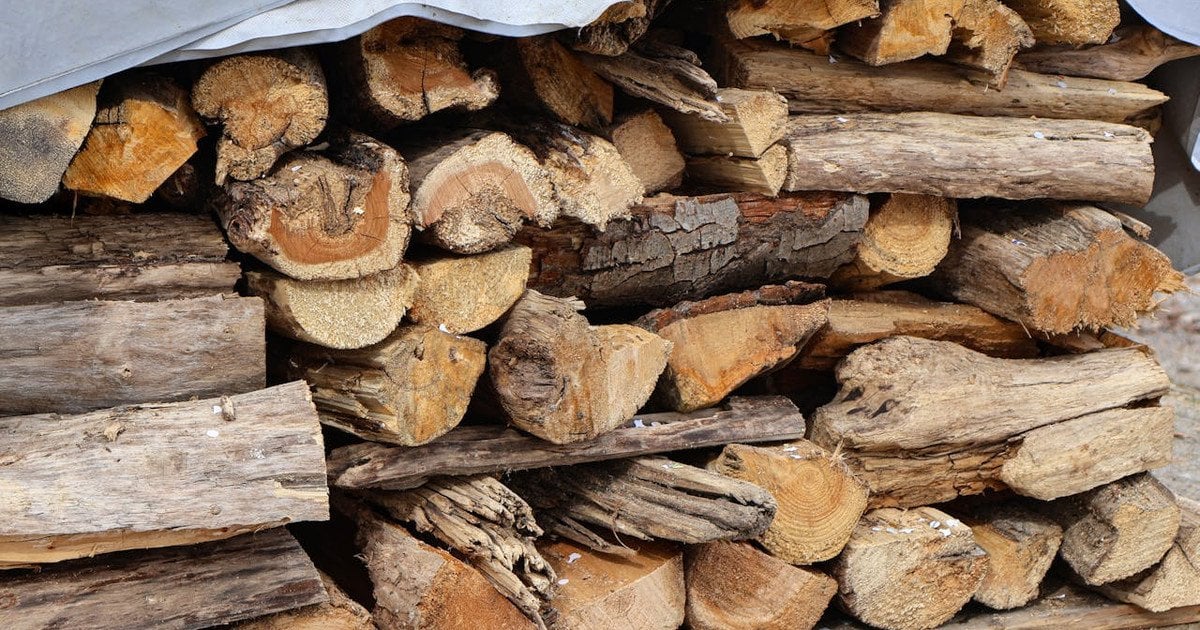
Efficient Heating: Which Wood Should Not Be Used for Home Heating
Experts have provided recommendations on choosing fuel for the heating season, identifying types of wood that can be dangerous or inefficient.
 🩺Health
Energy system protection: President discusses challenges for the Dnipropetrovsk region
Volodymyr Zelenskyy held a meeting on stabilizing energy supply and protecting critical infrastructure, with a specific focus on the situation in the Dnipropetrovsk regio…